- Vendry
- Posts
- Vol. 106 Sprout Social: Micro-influencers meet B2B 🤝
Vol. 106 Sprout Social: Micro-influencers meet B2B 🤝
How Sprout Social redefined micro-influencers’ role in B2B marketing.

Case Studied
December 02, 2025
Case Studied
Micro-influencers, major impact
Influencer marketing has long been considered a B2C playground. Beauty brands, sneaker companies, beverage startups—those were the players using creators to drive buzz and conversion.
B2B, by comparison, largely stayed in a professional, buttoned-up lane. Thought leadership typically lived in whitepapers, not creator feeds. But that’s started to shift.
Enterprise B2B brands like SAP and IBM have built successful, well-established influencer programs. And Sprout Social recently took a new approach to operationalizing and embedding micro-influencers into B2B marketing.
This week, Case Studied explores how Sprout Social redefined micro-influencers’ role in B2B marketing.
The Brief
Sprout Social has been a category-defining platform in the social media management space for over a decade. Following their 2023 acquisition of Sprout Influencer Marketing (formerly Tagger), the brand was in a unique position: they could not only talk about the future of influencer marketing, they could help shape it.
At the same time, the external landscape was shifting quickly. LinkedIn-first creators were gaining influence. B2B professionals were increasingly following micro-influencers with niche expertise. And internal data showed that audiences trusted insight-driven voices far more than traditional corporate channels.
Sprout saw an opportunity to lead the charge on a strategic change. Instead of approaching influencers as one-off amplifiers, the team wanted to build a long-term model that embedded creators into their entire marketing ecosystem.
The Execution
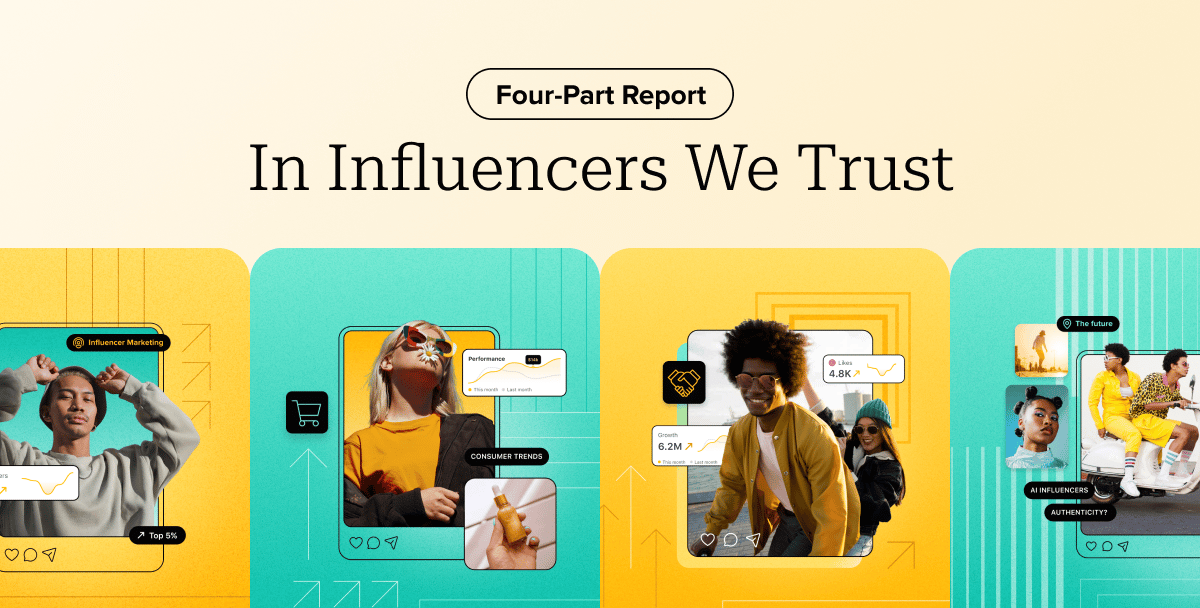
Sprout Social partnered with 32 creators—28 of whom were micro-influencers—to launch a LinkedIn-first, always-on influencer program woven deeply into the company’s marketing operations. Rather than centering on one-off campaigns, Sprout built what they called a “Center of Excellence model” for influencer collaboration. The structure embedded creators across content, research, events, and social strategy.
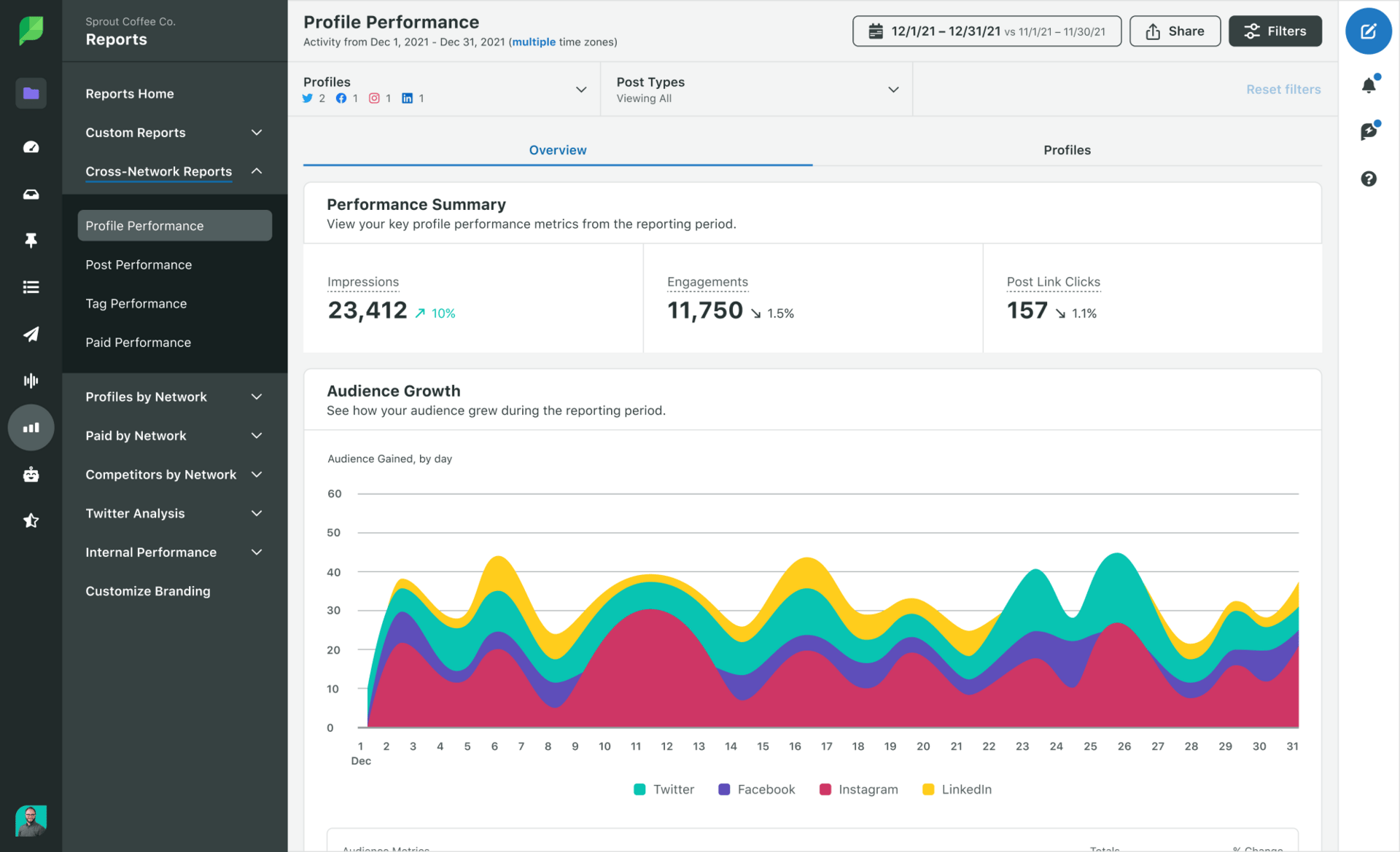
Instead of treating influencers as distribution channels, Sprout treated them as strategic partners whose expertise could elevate brand-led initiatives. Micro-influencers were selected for their credibility in social strategy, marketing trends, and platform insights.
The program involved several core components spanning thought leadership content, virtual events, and industry conferences.
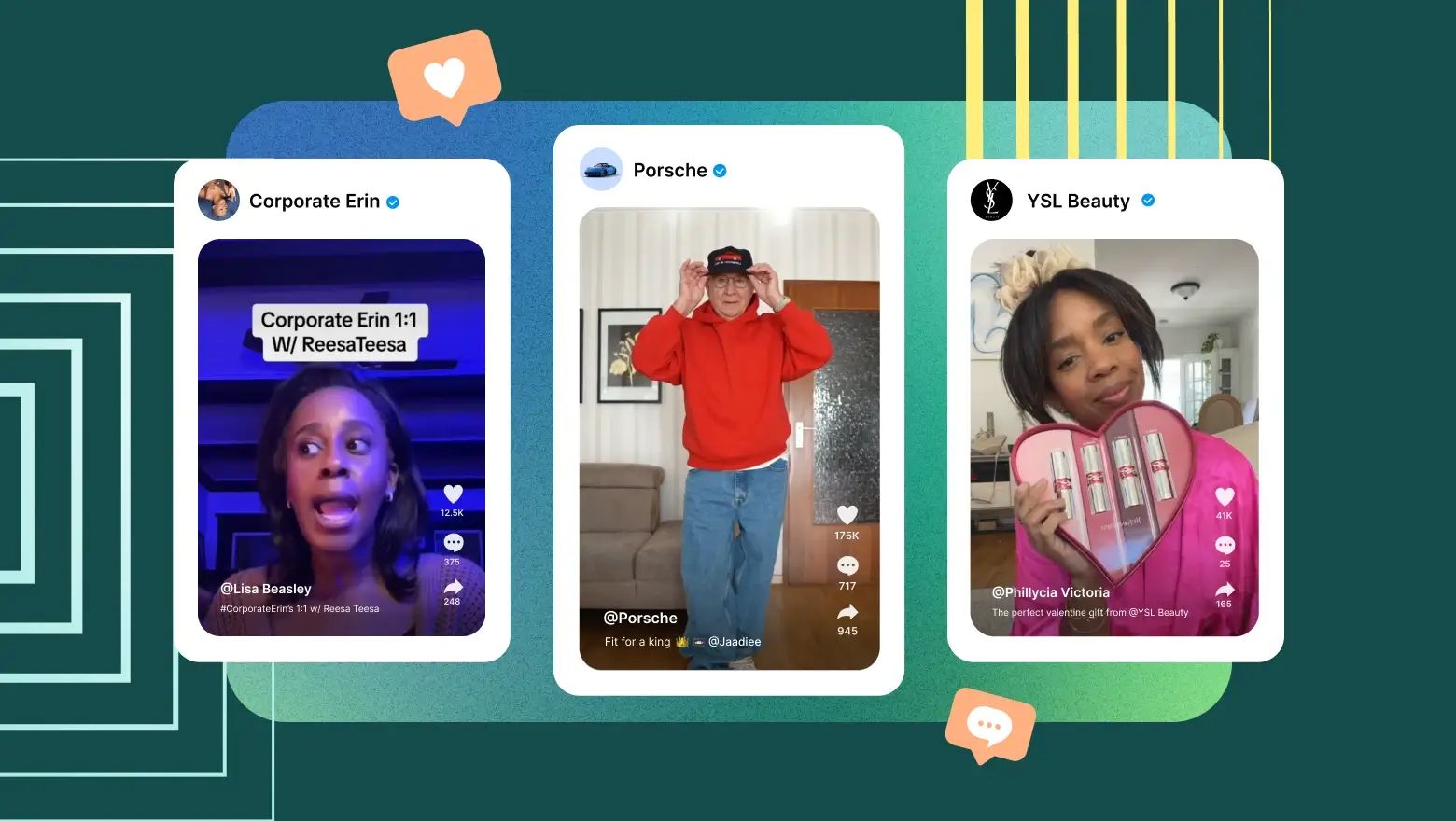
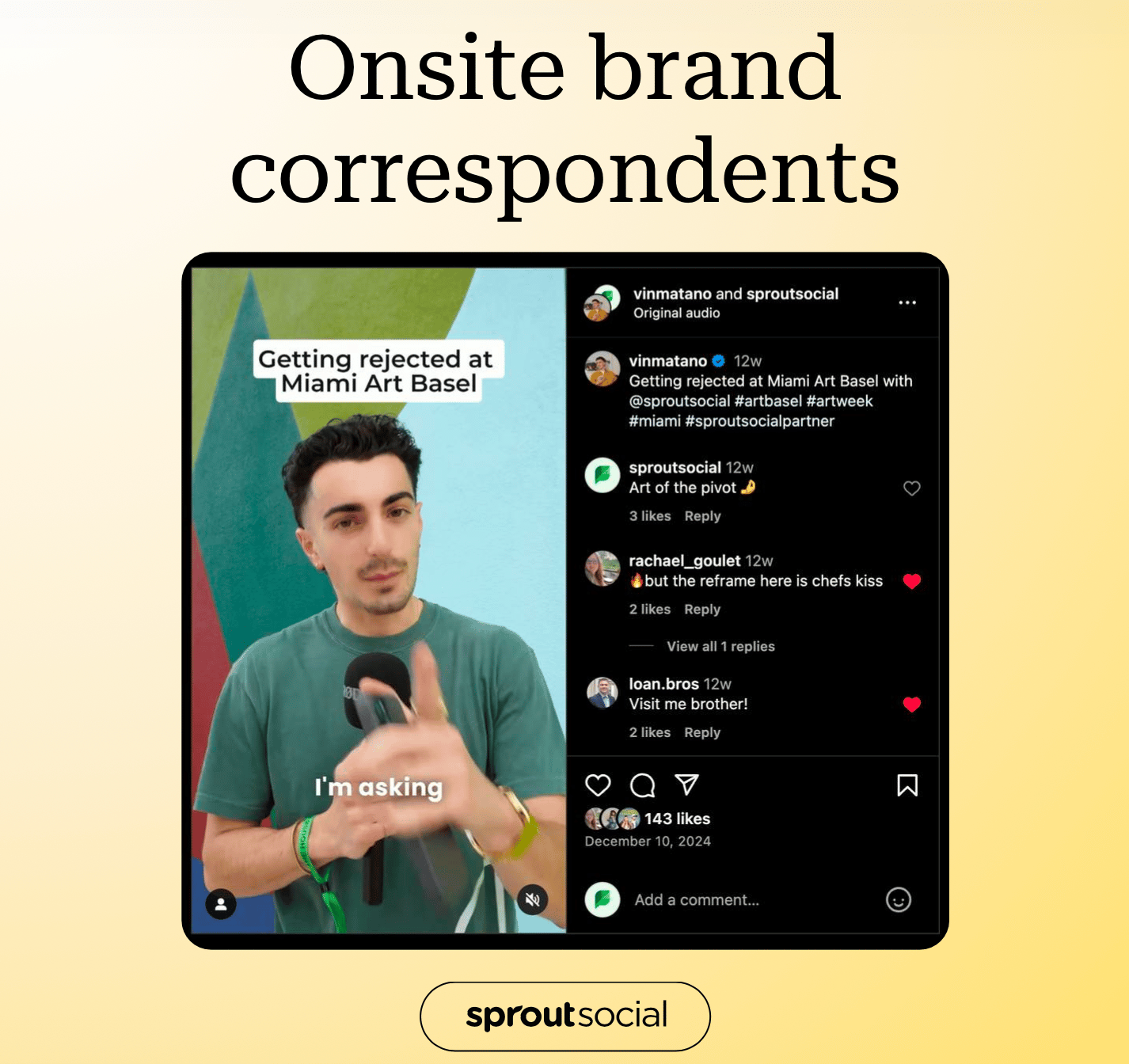
Jayde Powell played a key role in translating Sprout’s proprietary data and research into actionable takeaways for their audience with posts like this. Lia Haberman was integrated into webinars and thought leadership content. And Vin Matano provided real-time event coverage at Art Basel and Salesforce’s Dreamforce.
Sprout also reimagined the typical influencer “unboxing” video with a LinkedIn-first activation, where creators received oversized questions (instead of swag) to spark conversation around industry trends.
Every activation fed into a centralized model that enabled cross-functional teams to tap into creator insights. As a result, those insights shaped initiatives across research, event strategy, content development, and demand generation.
The Results
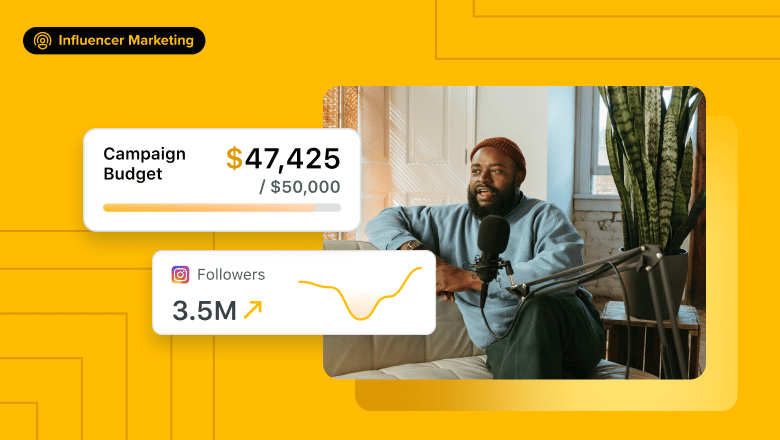
Sprout Social’s micro-influencer-led activations generated over 4 million impressions, 100,000+ engagements, and 621 leads. The Influencer Creator Program component added 48% more impressions and 30% more engagements on top of brand-led content, demonstrating that trusted voices dramatically expanded Sprout’s reach.
The approach also broke through at major industry events. Vin Matano’s coverage of Dreamforce and Art Basel helped Sprout stand out in high-noise environments. Meanwhile, Matano saw rapid growth in his personal audience, crossing 100K followers in 2025.
It’s also worth noting the way the program shifted industry perception. Influencers didn’t just share Sprout’s research and insights, they shaped the discourse surrounding them. Through their involvement in reports, webinars, event content, and social formats, creators helped reposition micro-influence as a strategic driver of B2B credibility.
Sponsor Case Studied
Want to have your brand featured in front of 35,000 marketers? 📥
Twice a week, 35k+ marketing leaders read Case Studies to learn about the best campaigns, brands and marketing executives in the world.
If you are looking for unique ways to share your work and highlight the amazing marketing you do, email our team and we’ll work together to create sponsorship opportunities to support brands of all shapes and sizes.
The Takeaways
1) Treat creators as collaborators.
Rather than tacking them on as amplifiers, Sprout’s program natively embedded micro-influencers in research, events, webinars, and content. This allowed creators to flex their muscles, shaping initiatives and conversations with their own voice and expertise.
Treat B2B creators like strategic partners, not distribution partners. Loop them into brainstorms, invite them to share insights on industry trends, and use their perspective to inform your content’s direction. Their influence can be stronger when it’s co-created instead of retrofitted.
2) Choose expertise over audience size.
Sprout selected their micro-influencers based on credibility, not follower count. And those creators sparked deeper conversations, drove meaningful engagement, and elevated thought leadership.
If you’re building a wish list for your influencer talent, consider the creators who analyze trends, offer insights, or shape conversations within your niche. Smaller, specialized voices can sometimes outperform large generalist accounts, particularly in B2B.
3) Make “always-on” influence a marketing layer.
Rather than confining influencer partnerships to single activations, Sprout operationalized an always-on model that touched events, research, content, and demand gen. Creators weren’t slotted into isolated programs, they were woven into how the brand showed up across platforms.
Consider how you can map creators to multiple touchpoints: launches, reports, conferences, ongoing content series. It can help you build consistency, trust, and efficiency. Over time, an always-on model can turn creators into true brand extensions who act as familiar, credible voices that your audience learns to rely on.
End the search: Vendry makes it simple to find your next agency partner. Share your needs and get connected with vetted, top-tier options in under a week—at no cost to you.